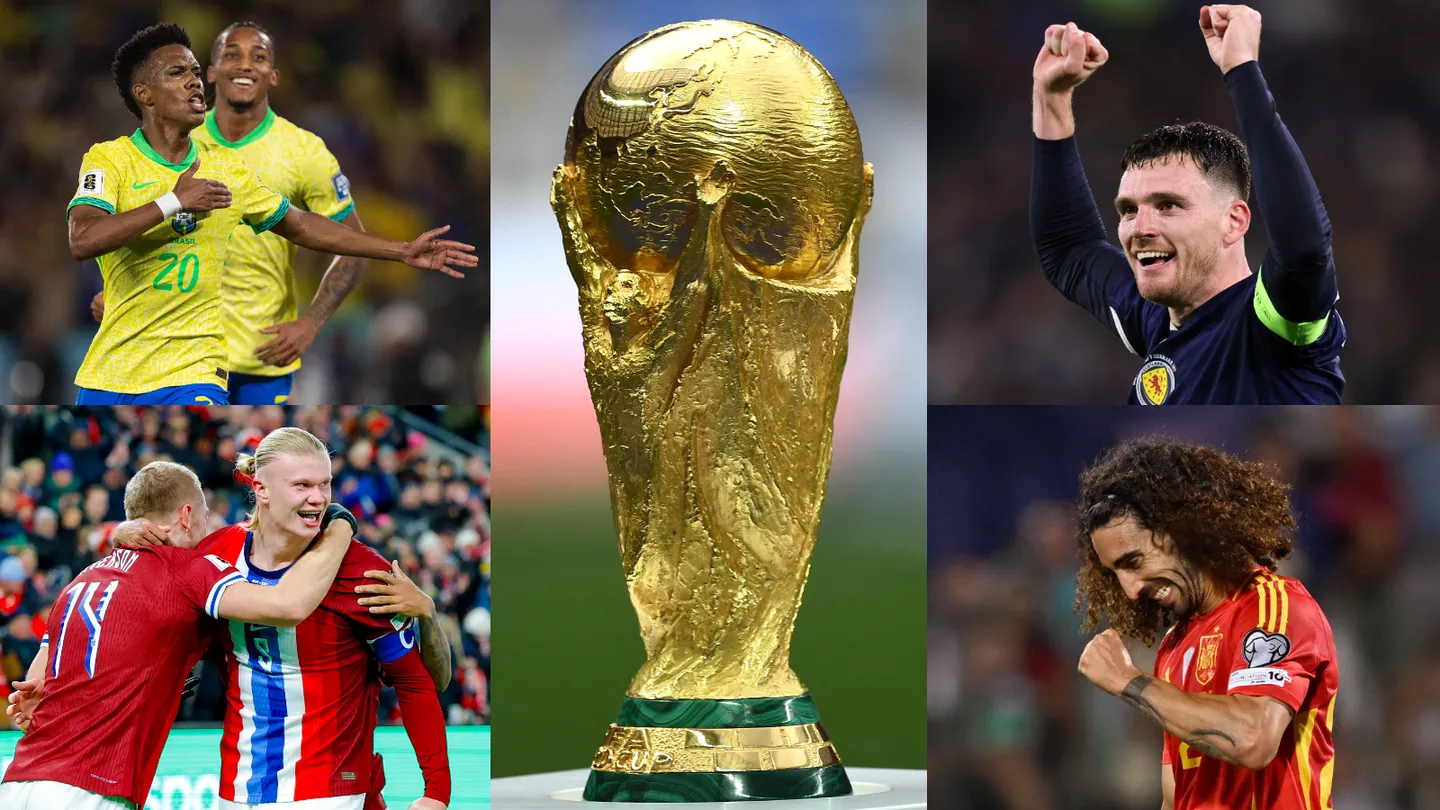
The FIFA World Cup is not just a football tournament. It is one of the biggest business events on earth.
Every four years, the world stops for football. People wear their national colours. Families gather around the television. Pubs fill up. Streets go quiet during big matches. For many fans, the FIFA World Cup is about pride, passion, and unforgettable goals.
But behind the emotion, there is another story.
A money story.
The World Cup is not just a football tournament. It is one of the biggest business events on earth. Every match, every shirt, every ticket, every advert, every sponsorship deal, and every television broadcast is part of a global football economy worth billions.
And once you understand that, you never watch football the same way again.
Football Is No Longer Just a Game
For most fans, football feels simple. Twenty-two players. One ball. Ninety minutes.
But modern football is much bigger than that. Today, football is entertainment, media, fashion, travel, advertising, betting, technology, tourism, and global branding all rolled into one.
When a fan buys a football shirt, money moves. When someone watches a World Cup match on TV, money moves. When a company pays to sponsor a team, money moves. When a player scores a goal and becomes famous overnight, money moves.
This is why football has become one of the most powerful industries in the world.
The Real Product Is Attention
The biggest secret in football economics is this: football clubs and tournaments are not just selling football. They are selling attention.
Think about clubs like Manchester United, Liverpool, Real Madrid, Barcelona, Arsenal, Chelsea, Manchester City, PSG, Bayern Munich, and AC Milan. These clubs have something every business wants: millions of loyal people paying attention to them every week.
A company would rather have its logo on a famous football shirt than on a random billboard because football fans do not just look at the shirt once. They see it again and again. On match day. On social media. In highlight clips. In interviews. In video games. In shops. On the street.
That is why brands spend huge money on football sponsorship. They are not just buying space on a shirt. They are buying a place in people’s emotions.
Why TV Rights Are So Powerful
One of the biggest sources of money in football is broadcasting rights.
Television companies and streaming platforms pay huge amounts for the right to show football matches because live football is rare in today’s world.
People skip adverts. People scroll past videos. People ignore billboards. But when their country is playing in the World Cup, they stop. They watch live.
That is powerful.
Advertisers know that millions of people are watching at the same time, so they are willing to pay heavily to reach that audience. This is why the World Cup, the Premier League, the Champions League, and other major football competitions are so valuable.
The World Cup Is the Ultimate Football Business
The 2026 FIFA World Cup is expected to be the biggest World Cup ever. It will feature 48 teams and 104 matches across the United States, Canada, and Mexico.
More teams means more matches. More matches means more tickets, more broadcasts, more sponsors, more adverts, more travel, more merchandise, and more opportunities to make money.
For fans, that means more football. For FIFA and its commercial partners, it means a larger global business machine.
The World Cup brings together almost every money stream in football: television rights, sponsorship deals, ticket sales, hospitality packages, merchandise, licensing, tourism, advertising, and digital content.
That is why the World Cup is not just a sporting event. It is a global marketplace.
The Shirt Business: Why Jerseys Make So Much Money
Football shirts are another big part of the football economy.
To a fan, a shirt is identity. It says, “This is my club.” It says, “This is my country.” It says, “This is who I support.”
But to clubs, national teams, and sportswear brands, shirts are serious business.
A football shirt can sell for £80, £100, or even more. Now imagine millions of fans across the world buying shirts before and during a major tournament.
One great World Cup moment can send shirt sales flying. A young player scores a beautiful goal. His name starts trending. Fans want his shirt. Brands want to work with him. Clubs want to sign him. His value rises.
That is how football turns emotion into money.
How the World Cup Can Change a Player’s Life
The World Cup does not just create champions. It can create global stars.
Before the 2014 World Cup, James Rodríguez was already a talented footballer, but that tournament turned him into a household name. He scored stunning goals, won the Golden Boot, and became one of the biggest stories of the tournament.
After that, his value changed. His fame changed. His commercial power changed.
That is the World Cup effect.
One tournament can turn a relatively unknown player into a global brand. It can increase transfer value, attract sponsors, sell shirts, and completely change a player’s financial future.
For some players, the World Cup is not just a chance to represent their country. It is the biggest audition of their life.
Host Countries: Glory or Gamble?
Hosting the World Cup sounds glamorous. New stadiums. New tourists. Global attention. Full hotels. Busy restaurants. International exposure.
But hosting a major football tournament is also expensive.
Countries and cities may spend heavily on security, transport, stadiums, fan zones, infrastructure, and organisation. The hope is that tourism, business activity, and global attention will make it worthwhile.
Sometimes it works. Sometimes the benefits are debated for years.
This is one of the most interesting parts of World Cup economics: the money does not always land where ordinary people expect it to land.
The tournament may generate billions, but the real question is: who actually benefits?
The Businesses That Win Even When Teams Lose
A national team can lose. A club can lose. A player can miss a penalty. But some businesses still win.
Broadcasters still sell advertising. Sportswear brands still sell shirts. Hotels still book rooms. Airlines still sell flights. Restaurants still serve fans. Social media platforms still get traffic. Sponsors still get visibility.
Football is emotional for fans, but for many companies, it is a business opportunity.
That is why the football economy is so powerful. It does not depend only on who wins the trophy. It depends on attention, emotion, and global participation.
The Money Lesson Behind Football
The biggest lesson from the economics of football is simple: attention creates value.
Where people gather, money follows.
That is true in football. It is true in music. It is true in social media. It is true in business.
The World Cup is a perfect example. Billions of people care. Because billions of people care, companies, broadcasters, sponsors, governments, and brands all want a piece of it.
Football became a billion-dollar business because it owns something more powerful than a product.
It owns emotion. It owns loyalty. It owns attention.
Final Thought
The next time you watch a World Cup match, enjoy the football. Celebrate the goals. Support your team. Feel the passion.
But also look beyond the pitch.
Because behind every goal, there are sponsors. Behind every shirt, there are brands. Behind every broadcast, there are billion-dollar deals.
And behind the beautiful game, there is one of the most powerful money machines the world has ever built.
Football is not just a game anymore.
Football is business.
And the World Cup is its biggest stage.